Top Nutrient-Rich Foods to Boost Hair Growth Naturally

Best Foods for Hair Growth Naturally – Nutrient-Rich Diet Tips for Thicker Hair

To support long-term hair growth and thickness, incorporating a variety of protein-rich, antioxidant-loaded foods into your diet is essential. Many people experience nutrient-deficiency hair loss, which can be reversed by focusing on targeted food sources packed with hair-healthy vitamins and minerals.

1. Eggs – Biotin Powerhouse for Healthy Hair Follicles

Eggs are a top pick when you need to nourish hair follicles with high-quality protein and biotin. They also supply zinc and selenium—compounds that promote keratin production and prevent breakage. Including eggs regularly can support stronger, faster-growing hair by fueling follicle regeneration.


2. Berries – Antioxidant-Rich Vitamin C for Scalp Collagen

Loaded with vitamin C and antioxidants, berries (like strawberries, blueberries, and raspberries) help shield hair follicles from oxidative damage and boost collagen production. This supports stronger hair that resists breakage and encourages growth.


3. Spinach – Iron and Folate for Scalp Circulation

Spinach brings a powerful mix of iron, folate, and vitamins A and C—crucial for supporting scalp circulation, cell regeneration, and overall follicle health. Improved oxygen delivery and nutrient flow translate to thicker, healthier hair over time.


4. Fatty Fish – Omega-3s & Vitamin D for Hair Nutrient Delivery

Omega-3 fatty acids from salmon, mackerel, and sardines help maintain a hydrated, well-nourished scalp. These fatty fish are also excellent sources of protein and vitamin D, supporting the hair follicle growth cycle and promoting stronger, shinier strands.


5. Oysters – Zinc-Rich Food for Hair Growth Repair

Oysters stand out as a potent source of zinc—one medium oyster can deliver up to 96% of daily zinc needs—an essential mineral that supports hair growth and follicle repair.


Conclusion:- 

Healthy, strong, and shiny hair starts with what you put on your plate. By adding nutrient-dense foods like eggs, berries, spinach, fatty fish, and oysters, you give your body the building blocks it needs for faster growth and thicker strands. These whole foods supply essential vitamins, minerals, and antioxidants that protect your scalp, stimulate follicles, and reduce breakage naturally. If you’re struggling with thinning or brittle hair, making simple dietary changes can be a powerful, long-term solution. Remember—consistent nutrition paired with proper hair care can transform your locks from the inside out, helping you achieve the healthy, vibrant hair you’ve always wanted.

Share:

Stop Hair Loss Naturally & Medically – Top Cures That Work

A Cure for the Age-Old Problem of Hair Loss

Hair loss is not just a male issue—many women also struggle with this age-old concern. In today’s digital world, millions are searching online for the best cure for hair loss, looking for solutions that are affordable, safe, and effective. From professional treatments to natural remedies, the Internet provides countless options, complete with real user reviews and experiences to guide you toward the right choice.


Why Do Men and Women Experience Hair Loss?

Hair thinning and balding can occur for various reasons—genetics, stress, hormonal imbalance, or even poor diet. I remember when my older brother started losing hair during high school. It was surprising, especially since our grandfather still had a full head of hair. This shows that stress, lifestyle, and nutrition can play as much of a role as heredity. Many people also explore the connection between hair loss and diet to discover foods that may slow down the process.

Exploring Modern Solutions to Balding

If you’ve ever watched late-night TV, you’ve seen countless commercials promising a magical cure for hair loss. While some are gimmicky, there are effective, science-backed solutions available today. The smartest first step is consulting a dermatologist or trichologist who can recommend treatments tailored to your needs. Options range from topical treatments like Minoxidil to oral supplements like biotin gummies and collagen gummies are popular in woman these days, and even advanced therapies like laser hair growth devices.

Affordable and Effective Hair Loss Remedies

The good news is that effective products are no longer outrageously priced. Many over-the-counter solutions are available at local pharmacies or online stores. With consistent use, these remedies can improve scalp health and encourage regrowth. Whether you choose a hair thickening shampoo, natural DHT-blocking supplements, or professional-grade treatments, persistence is key in finding the perfect cure for hair loss.

Do You Really Have to Go Bald?

Although some men embrace baldness with confidence, most are eager to find ways to maintain their hairline. The truth is, you don’t have to “just accept it.” In today’s cosmetically advanced world, there are countless safe options to slow, stop, or even reverse the balding process. Whether you’re in your 20s, 30s, or beyond, it’s never too late to try a cure for hair loss that fits your lifestyle.

So, if you are desperately searching for an effective cure for hair loss, you can take advantage of red light therapy device for hair growth and forums related to hair loss problems. With the right choice, you can regain not only your hair but also your confidence.

Share:

Make Coffee Like a Pro: Beginner’s Guide to Brewing the Best Cup

Beginner’s Guide to Brewing the Best Cup

Why Settle for Average Coffee?

In a world flooded with overpriced, mediocre coffee shops, the true game-changer is learning to brew your own gourmet coffee at home. Yes, it takes a little effort—but once you get it right, you'll never look back. Let’s break down the 7 key steps to creating a rich, aromatic cup of coffee that hits just right, every time.

cup of coffee
Best Selling Coffee Makers On Amazon  

Step 1: Start With High-Quality Coffee Beans

Everything begins with the beans. Choose freshly roasted, whole beans in your preferred flavor or roast level. The better the beans, the better the brew. Look for organic or single-origin varieties for richer taste profiles.

Step 2: Grind Fresh for Every Brew

Invest in a reliable coffee grinder. Grinding just before brewing ensures your coffee stays fresh and flavorful. Burr grinders are ideal—they give consistent texture and preserve flavor compounds better than blade grinders.

Step 3: Store Beans Properly

Air, light, and moisture are enemies of freshness. Ditch the metal tins and store your beans in an airtight ceramic or BPA-free plastic container at room temperature. Skip the fridge or freezer—they speed up moisture damage.

Step 4: Clean Your Coffee Maker Regularly

No matter what brewing method you prefer—drip, French press, pour-over—keep your machine squeaky clean. A dirty coffee maker can ruin even the best beans. Clean thoroughly after every use and deep clean with vinegar monthly.

Step 5: Use Clean, Filtered Water

Coffee is mostly water—so if your tap water tastes like chlorine or minerals, so will your coffee. Use filtered or bottled water. And make sure the temperature is hot enough—around 200°F (93°C) is the sweet spot for extraction.

Step 6: Measure Like a Pro

Eyeballing doesn't cut it. Use the right ratio—generally 1 to 2 tablespoons of ground coffee per 6 ounces of water. Adjust based on your taste, but be consistent. Precision makes a huge difference.

Step 7: Drink It Fresh, Not Forgotten

Coffee has a short peak life. At home, drink it within 20 minutes of brewing for the best flavor. Letting it sit kills the vibrancy. Avoid reheating—it only brings out bitterness.


We’d love to hear from you! Do you have a favorite brewing method or coffee ritual? Drop your thoughts in the comments, share this guide with your coffee crew, or ask any questions you’ve got. Let’s build a community of home baristas!

Share:

Lemon Parmesan Asparagus — Bright Roasted Asparagus with Zest & Cheese

Lemon Parmesan Asparagus — Bright Roasted Asparagus with Zest & Cheese

Lemon Parmesan Asparagus – Toss with olive oil, lemon zest, and Parmesan before roasting.

Roasted Asparagus

This quick side balances citrus brightness with nutty Parmesan — perfect alongside grilled chicken, pasta, or as part of an easy weeknight meal.

Prep: 5 mins
Cook: 10–12 mins
Total: ~17 mins
Serves: 4
Difficulty: Easy

Ingredients (exact measurements)

  • 1 lb (450 g) fresh asparagus, woody ends trimmed (about 1 bunch)
  • 2 tbsp (30 ml) extra-virgin olive oil
  • 1/2 tsp (1.5 g) fine sea salt, plus extra to taste
  • 1/4 tsp (0.75 g) freshly ground black pepper
  • 1 tsp (≈2 g) lemon zest (from 1 medium lemon)
  • 1 tbsp (15 ml) fresh lemon juice
  • 1/3 cup (≈30 g) freshly grated Parmesan cheese, plus extra for serving
  • Optional: 1/4 tsp (≈0.5 g) red pepper flakes for a spicy kick


Step-by-step Instructions

  1. Preheat: Preheat your oven to 425°F (220°C). Line a rimmed baking sheet with parchment paper or use a silicone baking mat.

  2. Prepare asparagus: Rinse asparagus and pat dry. Trim the woody ends by bending each stalk near the base — it will naturally snap where the tender part begins — or trim about 1–1.5 inches (2.5–4 cm) off the bottom and discard.

  3. Toss: Place the trimmed asparagus (1 lb / 450 g) on the baking sheet in a single layer. Drizzle with 2 tbsp (30 ml) olive oil, then sprinkle 1/2 tsp (1.5 g) salt and 1/4 tsp (0.75 g) black pepper. Toss with your hands or tongs until evenly coated.

  4. Roast: Roast in the preheated oven for 10–12 minutes (thin stalks near 10 min; thicker stalks may need up to 12–14 min) until asparagus is tender-crisp and tips are slightly charred.

  5. Finish & serve: Remove from oven. While still hot, immediately toss with 1 tsp (≈2 g) lemon zest, 1 tbsp (15 ml) fresh lemon juice, and 1/3 cup (≈30 g) freshly grated Parmesan. Serve warm and sprinkle extra Parmesan or lemon zest if desired.

Chef's Tips & Variations

  • Thickness matters: Thicker asparagus takes longer—test with a fork to reach desired tenderness.

  • Broil finish: For extra char, broil 1–2 minutes at the end—watch closely to avoid burning.

  • Make it vegan: Replace Parmesan with 2 tbsp toasted almond meal or nutritional yeast for a cheesy flavor.

  • Add crunch: Sprinkle toasted sliced almonds or pine nuts before serving.

Nutrition (approximate per serving)

Calories: ~110 kcal | Fat: 8 g | Carbs: 6 g | Protein: 6 g | Sodium: ~210 mg

Nutrition values are estimates and will vary with exact ingredient brands and portion sizes.

Appliances & Utensils 

Below are suggested appliances and utensils you can link to on Amazon or other affiliate programs when publishing:

Final Verdict

This Lemon Parmesan Asparagus recipe is the fastest way to transform simple asparagus into a bright, savory side dish that complements almost any entrée. It’s quick, crowd-pleasing, and adapts well — from weeknight dinners to holiday spreads. Toss, roast, and finish with lemon zest and Parmesan for maximum flavor with minimal fuss.

Share:

Powerful Body Detox Herbs to Support Better Health

Wonder Body Detox Herbs Can Improve Health


What Is Body Detoxification?

Your body is already detoxing 24/7 through your liver, kidneys, lungs, skin, and gut. But when you’re constantly hit with processed food, pollution, stress, and even the chemicals in your shampoo—your system can get overloaded. That’s when herbal support becomes essential.

Body Detoxifying herbs

Why Herbs for Detox?

Herbs have been trusted for centuries to heal and support the body naturally. No synthetic junk, no side-effect surprises. Just nature doing what it does best—cleansing, healing, and recharging you from the inside out.


Understanding How Detox Herbs Work


Liver Support and Cleansing

Herbs like milk thistle and dandelion root help regenerate liver cells and protect against toxins. They’re like your liver’s best defense team.

Kidney Function Boost

Nettle and parsley gently stimulate kidney function and help flush out waste via urine—keeping your filtration system sharp.

Gut Health and Elimination

Senna, slippery elm, and burdock root help get your digestion flowing and keep your elimination regular.


Top Wonder Herbs for Body Detox


Milk Thistle – The Liver’s Best Friend

Milk thistle contains silymarin, a compound that repairs liver tissue and blocks toxins. It’s one of the most researched detox herbs.

Dandelion Root – Bitter But Powerful

Dandelion root supports liver and kidney health, boosts bile flow, and acts as a mild diuretic. Don’t underestimate this common weed.

Burdock Root – The Skin & Blood Purifier

This powerhouse herb is known to purify the blood, clear up skin issues, and support the lymphatic system.

Ginger – The Universal Cleanser

Ginger improves circulation, supports digestion, and amplifies the power of other herbs. A must-have in any detox plan.

Cilantro – Heavy Metal Flusher

Cilantro binds to heavy metals like mercury and lead, helping your body eliminate them—especially when paired with chlorella.

Turmeric – Anti-Inflammatory & Antioxidant Hero

Turmeric reduces inflammation and supports liver detox. For best results, pair it with black pepper to enhance absorption.

Nettle Leaf – Blood Builder and Detoxifier

Nettle is loaded with chlorophyll and minerals. It nourishes the body while supporting gentle detoxification.


How to Use Detox Herbs Safely

Tea Infusions and Decoctions

Roots and barks should be simmered (decoctions); leaves and flowers should be steeped (infusions). Rotate herbs weekly.

Capsules and Tinctures

Choose high-quality, organic capsules or tinctures. Avoid products with fillers and questionable ingredients.

Fresh Herbs in Smoothies and Salads

Incorporate cilantro, parsley, and dandelion greens into meals raw—they detox and nourish at the same time.


Signs Your Body Needs a Detox

Chronic Fatigue

Feeling exhausted all the time? Your liver might need a break.

Skin Breakouts

When your body can’t detox properly, it often shows up on your skin.

Digestive Troubles

Bloating and constipation are signs of a sluggish system.

Brain Fog and Irritability

Detox can improve focus and mood by clearing waste from your system.


Precautions & Side Effects

Not All Herbs Suit Everyone

Herbs can interact with medications or conditions. Pregnant or nursing? Consult your doctor first.


When to Consult a Professional

If you’re on meds or have liver/kidney issues, speak to a naturopath before starting a detox.


Lifestyle Tips to Support Herbal Detox

Hydration Is Non-Negotiable

You need at least 2–3 liters of water daily to help flush out toxins. Period.

Eat Clean and Move Daily

Drop processed food. Eat greens. Sweat. Herbs need your help to work their magic.

Sleep Deep and Breathe Fully

Detoxing happens during sleep. Get enough of it, and breathe deeply throughout the day.

Final Thoughts on Going Herbal with Detox

Start simple. Detox is about giving your body what it needs—not depriving it. Let nature lead the way, and your body will thank you in full energy and clarity.


FAQs

1. Can I detox every day with herbs?

Some herbs like nettle and ginger are safe daily, but rotate stronger herbs like senna or dandelion.

2. How long does a detox take to work?

Most feel results in 3–7 days. For deeper detoxes, give it 21–30 days with guidance.

3. Are detox herbs safe for kids or pregnant women?

Only mild herbs like chamomile may be okay. Always consult a healthcare professional first.

4. What’s the best time of day to take detox herbs?

Morning is best to kickstart metabolism. Evening herbs should be gentle and calming.

5. Can detox herbs help with weight loss?

Yes—indirectly. By reducing inflammation and improving digestion, they support natural weight loss.


Detoxifying Herbs You May Consider. 

(These products are available on Amazon)


Have you tried any detox herbs? Got questions or a success story to share? Drop your thoughts in the comments below. Let’s build a healthy, healing community together.


Share:

Easy Tips for Making Cold Coffee Drinks at Home

Easy Tips for Making Cold Coffee Drinks at Home

Making iced coffee at home isn't just convenient—it's a lifestyle upgrade. Skip the long café lines and overpriced drinks. With just a few key techniques, you can whip up iced coffee drinks that taste like they came straight out of a barista's hands. Whether you're into creamy vanilla lattes or strong cold brews, these tips will help you brew like a pro from the comfort of your kitchen.

ice coffee recipe

1. Start With Quality Coffee Beans

The foundation of any good, iced coffee drink is high-quality coffee beans. Opt for medium or dark roast whole beans for a bold flavor that won’t get lost over ice. Grind them just before brewing to preserve freshness. Consider using a burr grinder for even consistency.


2. Brew It Stronger Than Usual

Ice dilutes coffee, so your brew needs to be stronger. Use a higher coffee-to-water ratio or make a concentrated cold brew. For a quick fix, double the amount of coffee grounds you normally use when brewing hot coffee, then pour it over ice.


3. Sweeten While It’s Hot

If you like your iced coffee sweet, always dissolve your sweeteners while the coffee is still hot. Sugar doesn’t melt well in cold liquid, and nobody wants gritty coffee. You can also make a simple syrup (equal parts sugar and water) and store it in the fridge for easy mixing.


4. Experiment With Milk and Flavorings

Once your coffee is brewed and chilled, it's time to get creative. Add your favorite dairy or plant-based milk—almond, oat, coconut, you name it. Toss in a splash of vanilla extract, cinnamon, or even cocoa powder for that café-style twist. Want a foamy top? Froth your milk before adding it for a luxe texture.

Recommended Accessories and Ingredients

Tried any of these tips? Got your own secret iced coffee recipe? Drop it in the comments below! Let’s swap notes and turn our kitchens into the next cool coffee joint. Don’t forget to share this post with a fellow coffee addict and spread the chill vibes.

Share:

Acid Reflux Causes, Symptoms & Effective Treatments

Acid Reflux (GERD): Causes, Symptoms & Effective Treatments

Acid Reflux, also known as Gastroesophageal Reflux Disease (GERD), is a common digestive condition where stomach acid flows back into the esophagus, leading to irritation, heartburn, and sometimes serious complications. This guide explains the causes, symptoms, and best treatment options to help you manage GERD effectively.

Best Treatments for Acid Reflux (GERD)

What is Acid Reflux (GERD)?

GERD occurs when the stomach’s acidic contents move backward into the esophagus, causing discomfort and possible damage to the esophageal lining. While it primarily affects adults, children and even infants can experience acid reflux. Occasional reflux is normal, but frequent heartburn may indicate a chronic condition requiring medical attention.


Common Symptoms of Acid Reflux

  • Burning sensation in the chest (heartburn)
  • Chronic cough or sore throat
  • Hoarseness or voice changes
  • Ear pain or sinus irritation
  • Regurgitation of food or sour liquid

If untreated, GERD may lead to esophageal ulcers, strictures, or even esophageal cancer in severe cases.


Causes and Risk Factors

Several factors contribute to GERD, including:

  • Excess stomach acid production
  • Obesity and pregnancy
  • Tight-fitting clothing around the stomach
  • Poor diet and overeating
  • Low stomach acid production (leading to valve malfunction)
  • Yeast infections that mimic reflux symptoms

Best Treatments for Acid Reflux (GERD)

Treatment usually starts with lifestyle modifications and may progress to medications or surgery if necessary.

1. Diet & Lifestyle Changes

  • Avoid trigger foods such as caffeine, soft drinks, fatty meals, and alcohol.
  • Quit smoking to reduce reflux risk.
  • Do not lie down immediately after eating and avoid meals 2 hours before bedtime.

2. Elevating the Head of the Bed

Raising the head of your bed by 6–8 inches (20 cm) can significantly reduce acid backflow at night. Combined with dietary changes, this method provides up to 95% relief for many patients.

3. Medications

Doctors may recommend medications to reduce or neutralize stomach acid, such as:

  • Antacids – neutralize acid and provide quick relief.
  • H2 blockers (e.g., famotidine) – reduce acid production.
  • Proton pump inhibitors (PPIs) (e.g., omeprazole) – block acid secretion more effectively.

4. Surgical Options

For severe or persistent GERD, surgery such as Nissen fundoplication may be recommended. This procedure strengthens the esophageal sphincter and helps restore normal digestive function.


Frequently Asked Questions (FAQ)

Is acid reflux the same as heartburn?

Not exactly. Heartburn is a symptom of acid reflux, described as a burning feeling in the chest or throat.

When should I see a doctor for GERD?

If you experience heartburn more than twice a week, or if symptoms interfere with your daily life, consult a doctor for proper diagnosis and treatment.

Can lifestyle changes alone cure GERD?

For many people, avoiding trigger foods, eating smaller meals, and elevating the head during sleep can greatly reduce symptoms. However, some cases may still require medication or surgery.

Disclaimer: This content is for informational purposes only and should not replace professional medical advice. Always consult your healthcare provider for personalized treatment.

Share:

4 Best ThundeaL Projectors for a Home Theater Experience That Beats Any TV In 20254

ThundeaL TD85SE Home Projector

ThundeaL TD85SE Home Projector

The ThundeaL TD85SE offers Full HD 1080p resolution with 4K decoding support, turning your wall into a high-quality cinema display. With 14,000 lumens brightness, it delivers rich colors and clarity even in daylight. Thanks to autofocus and 70-degree keystone correction, the picture aligns automatically. Running on Android 12, it lets you download apps directly from Google Play, stream content, and even open documents like Word, Excel, or PDF files from a flash drive. Wireless connectivity options include Bluetooth, AirPlay, Miracast, and DLNA. Built-in speakers handle everyday use, while external speakers can be added for a full home-theater experience. It even supports 3D movies for a more immersive viewing experience.


ThundeaL TD98W Home Projector

ThundeaL TD98W Home Projector

The TD98W supports Full HD 1080p and 4K resolution for crisp, detailed visuals. Autofocus and keystone correction keep the image distortion-free, even at an angle. Powered by Android 9.0, it allows direct app downloads from Google Play. Connectivity includes Bluetooth, AirPlay, Miracast, HDMI, USB, Ethernet, and 3.5mm/3RCA ports, making it extremely versatile. With 21,000 lumens brightness, you can enjoy content during the day or night. The 15W built-in speaker provides strong sound, and you can expand with external audio devices. This model also supports 3D video, scaling from 50–100%, and 360° image rotation.


ThundeaL TD92 Pro Projector

ThundeaL TD92 Pro Projector

The TD92 Pro runs on Android 9.0 with a CA53x4 processor and Mali-450 graphics, ensuring stable app performance and smooth playback. It supports Full HD 1080p with up to 4K UHD input, making visuals sharp and vibrant. Its 15,000 lumens brightness allows clear viewing even in daylight. Equipped with autofocus and 6D Keystone correction, it keeps the image aligned effortlessly. Offering projection sizes from 30 to 300 inches, it adapts to both small and large spaces. With Wi-Fi (2.4G/5G/6G), Bluetooth 5.0, AirPlay, and Miracast, wireless streaming is seamless. Multiple ports (USB, HDMI, AV, Audio) make it compatible with laptops, consoles, and speakers.


Projector ThundeaL TD80W

Projector ThundeaL TD80W

Compact yet powerful, the TD80W runs on Android 13, letting you install apps directly from Google Play. Dual-band Wi-Fi ensures fast, lag-free streaming, while AirPlay, Miracast, and DLNA make it easy to connect from smartphones and laptops. With Full HD resolution and 4K decoding, the visuals are sharp and vibrant. 11,000 lumens brightness paired with a 10,000:1 contrast ratio makes daytime viewing possible without blackout curtains. Automatic keystone correction and scaling up to 100% make setup simple and hassle-free.


Portable Outdoor Projector with Tripod, Kids Gift

Portable Outdoor Projector with Tripod, Kids Gift

The VISSPL 2025 mini projector is a compact yet powerful gadget that brings full HD 1080P visuals and eye-friendly LED technology into a device small enough to fit in your pocket. Despite its tiny size, it delivers vibrant colors, clear images, and a cinematic atmosphere with screen sizes up to 160’’. The built-in HiFi speaker and included tripod make setup simple and enjoyable, while multiple connection options let you pair it with phones, laptops, gaming consoles, and more. Lightweight and easy for kids to handle, this projector makes an excellent gift idea for a child’s room—perfect for turning bedtime into movie night, hosting fun sleepovers, or creating a magical little home theater corner.

Share:

Everyday Essentials You Didn’t Know You Needed

Cute Small Things You Didn’t Know You Needed (But Absolutely Do!)


Sometimes we don’t even realize how much easier (and brighter) life can be with a few simple everyday essentials. From stylish organizers to cozy home finds, we’ve rounded up some practical, affordable, and surprisingly fun products you can grab right on Amazon.


Artistic Cardholder Wallet

This compact cardholder comes with eleven compartments to store everything: credit cards, IDs, membership passes, and more. Designed like a small wallet with a secure lock, it keeps your items safe and organized. What makes it stand out is the art-inspired design that adds a touch of creativity to your everyday essentials.


Silicone Charging Cable

Check Details On Amazon

Made of soft silicone, this fast-charging cable isn’t just durable but also pleasant to the touch. Its bright color makes it easy to find in your bag, and it supports both device charging and data syncing. Compatible with smartphones, tablets, and laptops, it delivers reliable, quick charging when you need it most, It is suitable for smartphones of different models (from Samsung Galaxy to iPhone 15), laptops and tablets..


Personal Safety Keychain

A must-have for personal safety, especially for women who often return home late night. Small enough to slip into your pocket, this keychain features a built-in flashlight and a loud alarm for emergencies. Just pull the plug to activate it and reinsert to stop. Lightweight, portable, and effective.


Fun Cartoon Soap Dish

Brighten your bathroom with a soap dish that greets you with a smile. Available in multiple colors, it includes drainage holes to keep soap dry and lasting longer. Functional yet playful, it’s a small detail that makes daily routines more cheerful.


Digital Kitchen Scale

If you have long wanted to start monitoring your diet to take care of your health, then this is your sign. And the portable digital scales will help you. It has fairly easy controls - just two buttons, one of which is responsible for turning on and off. They can withstand a weight of up to 5 kg, are charged from two AAA batteries and do not take up much space. But they allow you to put together a healthy plate and not worry that you did not get enough useful elements.


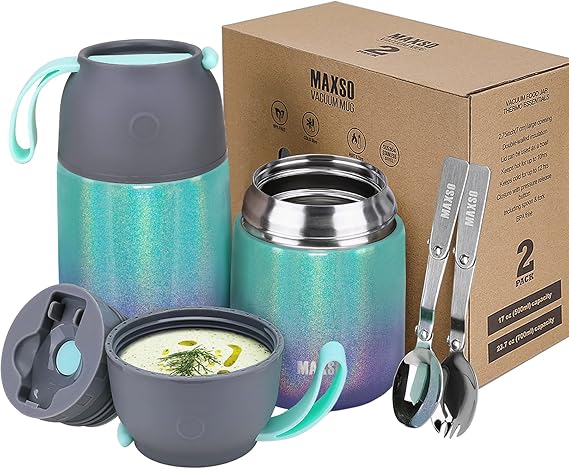
Stainless Steel Thermo Mug

Why spend money on takeaway drinks when you can carry your favorite coffee, tea, or hot chocolate in a vacuum-insulated travel mug? It keeps drinks hot or cold for hours, fits easily in your bag, and comes with a leak-proof lid for convenience on the go.


Cozy Plush Slippers

Perfect for chilly days, these plush slippers with faux fur lining keep your feet warm and cozy. Available in multiple colors, they feature a cute bear applique that makes lounging at home extra adorable.


Gentle Hair Comb

Whether your hair is straight, wavy, or curly, this wide-tooth comb detangles smoothly without breakage. Suitable for dry or damp hair, it glides easily and helps maintain healthy, manageable locks.


High-Capacity Power Bank

Stay powered up anywhere with a 20,000mAh power bank. Capable of 2–4 full phone charges, it supports fast charging and even includes a display to show remaining battery life. A must-have for travel, work, or emergencies.


Cute Daily Planner

Stay organized with a planner that combines calendars, weekly layouts, and lined pages for notes. Its whimsical illustrations bring joy to scheduling, turning boring to-dos into something you’ll actually look forward to writing down.


From personal safety to stylish organization, these Amazon finds are simple, practical, and surprisingly fun to own. Add them to your daily routine and notice how small changes can make a big difference!


Share:

Does Coffee Raise Blood Pressure? The Truth You Need to Know

Does Coffee Really Raise Blood Pressure? The Evidence You Can’t Afford to Ignore


Coffee and blood-pressure

Unveiling the Truth About Coffee and Blood Pressure

For countless of us, that first sip of coffee in the morning is a sacred ritual—a moment of warmth, comfort, and awakening. Yet, beneath its familiar embrace lies a stirring question: Does coffee raise blood pressure? This concern tugs at those who cherish their daily brew but also monitor their cardiovascular health. Today, we'll delve into the medical and scientific findings with clarity and empathy, so you can enjoy your coffee with confidence.


Understanding Caffeine: What’s Really Happening in Your Body

At the heart of the debate lies caffeine—the primary active compound in coffee. Caffeine is a stimulant that triggers the release of adrenaline, meaning your heart rate and blood pressure can rise temporarily. This effect, while usually short-lived, prompts many to wonder whether their beloved coffee poses a hidden risk.


Short-Term vs. Long-Term Effects on Blood Pressure

Short-Term Impact

Within minutes of consuming coffee, caffeine markedly influences your cardiovascular system. Blood pressure often increases by approximately 5–10 mm Hg for 30 to 120 minutes following consumption. This acute spike is well-documented and may affect individuals who are sensitive to caffeine more significantly.

Long-Term Effects

Here’s where the conversation becomes less distressing. People who drink coffee regularly tend to develop a tolerance. Over time, studies suggest that this tolerance limits caffeine's ability to raise blood pressure—even among those with hypertension. In healthy habitual coffee drinkers, any lasting effect on blood pressure appears minimal, typically under 2 mm Hg—well within the margin of normal daily fluctuations.


Who Should Be Cautious?

Understanding your personal health landscape is crucial.

  • Individuals with hypertension: Caffeine may momentarily elevate blood pressure. If your readings are already high, monitor how your body responds.

  • Caffeine-sensitive individuals: For some, even small doses can cause pronounced effects—think jitteriness, rapid heartbeat, and noticeable blood pressure changes.

  • Older adults and those with pre-existing conditions: These groups may experience more pronounced reactions, though research on these populations is still evolving.


The Silver Lining: Coffee’s Potential Health Benefits

Before you lock away your coffee mug, it’s important to acknowledge the growing body of research illuminating coffee’s benefits:

  • Antioxidant powerhouse: Coffee is rich in compounds like chlorogenic acids that combat inflammation and oxidative stress.

  • Metabolic and neurological resilience: Regular coffee consumption has been linked to reduced risk of type 2 diabetes and certain neurodegenerative conditions.

  • Cardiovascular protection: In moderation, coffee may contribute to heart health—partly through improved endothelial function and insulin sensitivity.


Daily Dosage: How Much Coffee Is Too Much—or Just Right?

An informed approach helps balance safety with enjoyment:

  • Moderation is key: Four cups a day (about 400 mg of caffeine) is generally considered safe for most healthy adults.

  • Mind your form: Espresso shots, cold brews, and certain blends pack more caffeine per ounce and can have stronger effects.

  • Time your intake: Consuming coffee late in the day can disrupt sleep, which indirectly impacts blood pressure regulation.


Best Practices: Enjoy Coffee Without the Worry

  1. Start small: If you’re sensitive or managing hypertension, begin with a half cup or switch to decaf.

  2. Track your response: Keep an eye on your readings before and after your brew. A home blood pressure monitor can offer invaluable insight.

  3. Consider timing: Avoid coffee on an empty stomach, as acidity combined with caffeine may compound its effect on your system.

  4. Mind your add-ins: Heavy creams, sugars, or syrups add calories and can contribute to weight gain—an indirect driver of high blood pressure.

  5. Listen to your body: Palpitations, anxiety, or headaches after your cup? It’s worth cutting back or consulting your healthcare provider.


Final Thoughts: Sip Smart, Live Well

Coffee—often derided as a simple stimulant—is far more nuanced. For many, it's a source of joy, comfort, and even healthful antioxidants. While it can raise blood pressure in the short term, especially in caffeine-sensitive individuals or those with high blood pressure, the long-term effects in regular drinkers are modest.

Here’s what matters most: Know your body, observe how it reacts, and enjoy your coffee consciously. When consumed within reasonable limits, coffee can remain a cherished part of your daily life—without compromising your health.


Share: